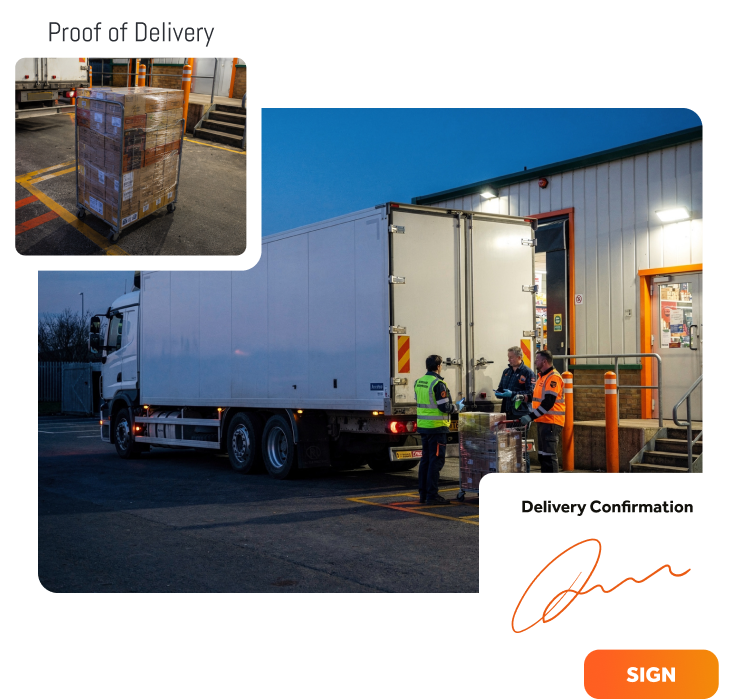
Turn every delivery into clear, digital evidence
When a delivery is disputed, your team needs more than a signature on a piece of paper. You need clear evidence of what happened, when it happened and where it happened. \n \n Our Electronic Proof of Delivery System (ePOD) captures delivery information digitally, giving your team immediate access to signatures, photographs, delivery details and location data. \n \n Replace paper-based processes with a flexible solution designed around the way your operation works.



Experience the power of Data Driven solutions
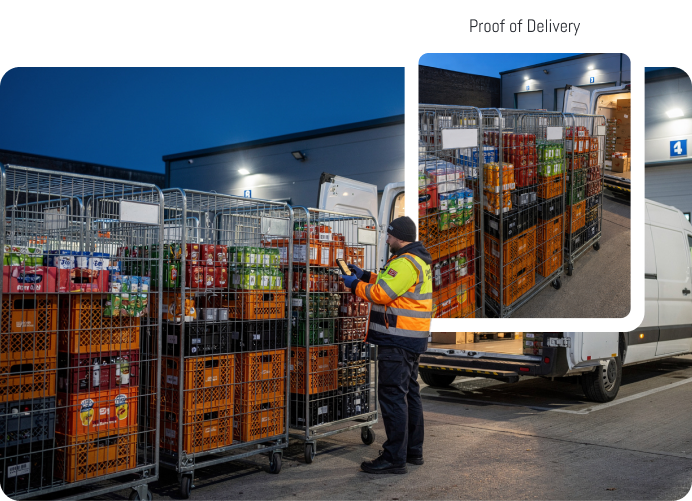
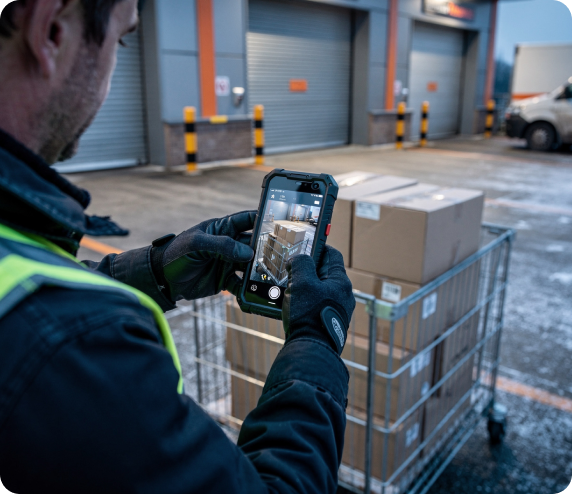
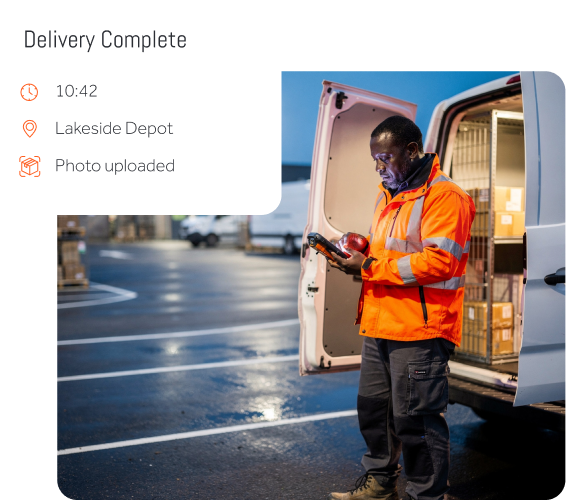



Key Features


“Data Driven Logistics went above and beyond to swiftly establish a logical and comprehensive system for our business. Leveraging their expertise, they promptly addressed and fulfilled all our requested changes, ensuring a seamless and hassle- free experience. “As a result, we now have a streamlined and user-friendly system that has successfully prevented any low bridge incidents.”
GXO
“Moving forward, the Data Driven Logistics tracking system will continue to be an integral part of our company’s growth and success, providing valuable insights and creating a more streamlined, productive fleet management process. It’s always a pleasure working with the team at Data Driven Logistics.”
GXO
“With the Data Driven Logistics Mobile Application and Resource Management System, we’ve not only streamlined our operations but also elevated our customer experience. The support and expertise of our technology partner was invaluable, and they guided us every step of the way. We’re proud of the journey we’ve undertaken and excited about the future it has unlocked for Diareyes.”
Diareyes

READY TO TRANSFORM YOUR LOGISTICS?
Book your demo, or find out more from our expert team.
READY TO TRANSFORM YOUR LOGISTICS?
Book your demo, or find out more from our expert team.

Case Study
GXO
GXO deliver supply chain management solutions to some of the world’s most complex and high growth industries. The company tackles every logistics need, from warehousing to distribution, using a broad range of capabilities including e-commerce expertise, reverse logistics and manufacturing support.
Read More →
Case Study
For over two decades, Data Driven Logistics has been partnering up with a globally recognized company specialising in the management and facilitation of transportation, distribution, and supply chain operations. Though we can't use names due to confidentiality, we're excited to share our success in providing innovative solutions to streamline logistics operations with our advanced Warehouse Management System.
Read More →
Case Study
GXO
Working in partnership with one of the UK’s largest food manufacturers, GXO has transformed the way deliveries are managed with our Electronic Proof of Delivery (ePOD) solution. By adopting a digital approach, the company has experienced significant improvements in efficiency, customer satisfaction, and operational performance.
Read More →
Frequently Asked Questions
An electronic proof of delivery system digitally records evidence that a delivery has taken place, replacing traditional paper-based proof of delivery. It can capture information such as electronic signatures, photographs, delivery details, timestamps and GPS location, creating a digital delivery record.
An electronic proof of delivery system can reduce reliance on paper processes, give operations teams faster access to delivery information and provide additional evidence when delivery queries or discrepancies arise. Digital records can also make delivery information easier to retrieve and share.
Yes. DDL's ePOD Flow uses configurable workflows that can be adapted around different customers, order types and service levels. DDL's in-house development team can also support bespoke requirements and develop functionality around specific operational needs.
The information captured depends on the workflow configured for the operation. DDL's ePOD Flow can capture electronic signatures, photographs, notes and data, time and date information, GPS location, barcode scans, quantity adjustments and delivery or collection information.
Yes. DDL's ePOD Flow supports bespoke integrations and can work alongside other DDL products, including DriveSafe and Sphere. Integration requirements can be discussed as part of designing the solution around an individual operation.